 IMD Insurance
Trade contractors
- Electrical, plumbing, HVAC, carpentry, masonry, roofing, painting
- GL with the endorsements your GC requires
- Tools and equipment on an inland marine form
- Commercial auto for vans and pickups
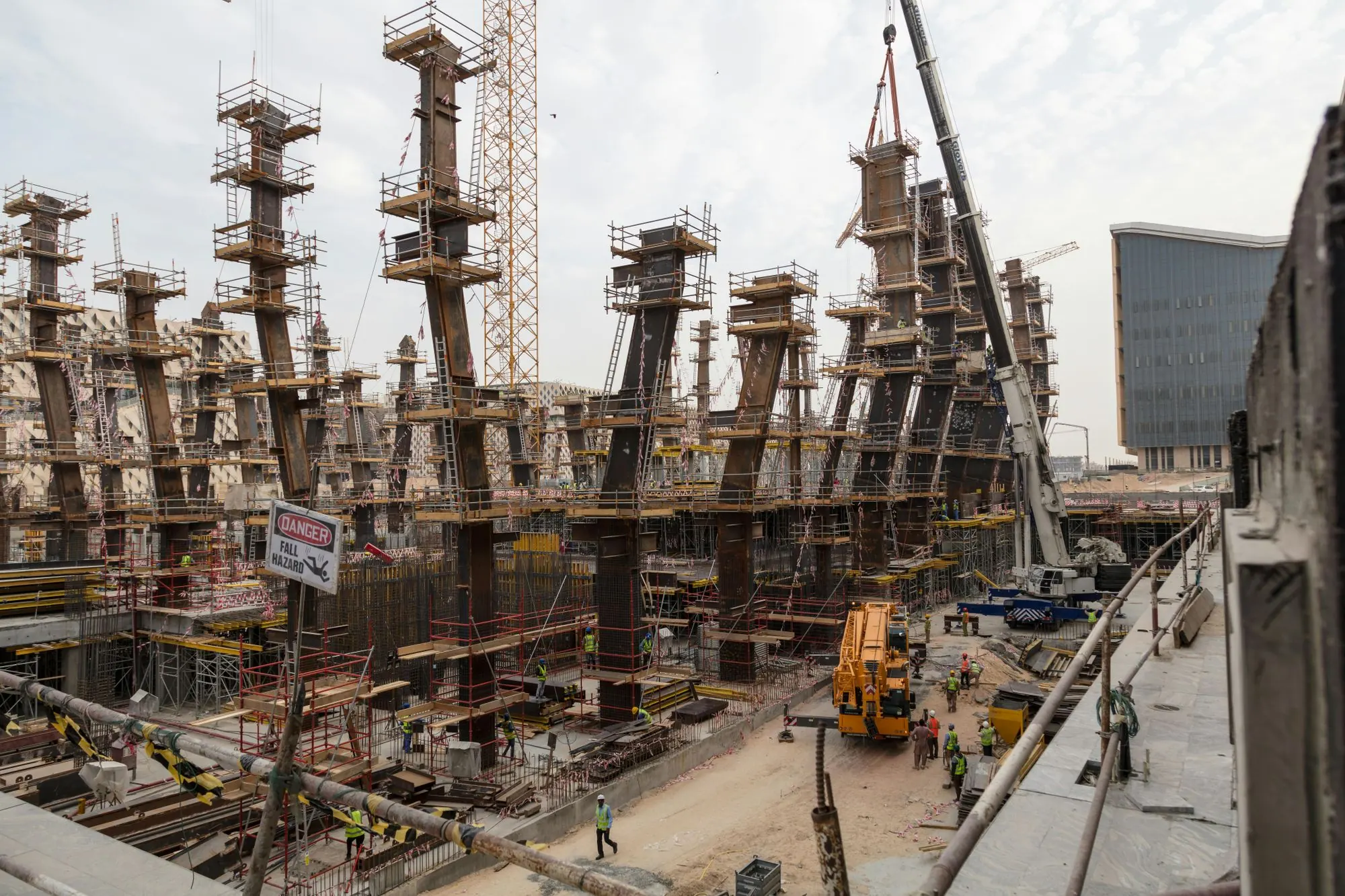
General liability, auto, workers' comp, equipment, and builder's risk for trade and general contractors — written for New York's Labor Law reality, with certificates and additional-insured endorsements that actually hold up.
From a two-person electrical shop to a general contractor running multiple sites, the questions are the same: what does the contract require, and what does the policy actually exclude?
Plain-English summaries. Your policy documents always control.
Bodily injury and property damage from your work, during and after. In New York, the action-over and Labor Law exclusions matter more than the limit — we read them with you.
Contract-requiredRequired in New York once you have employees; uninsured subcontractors can be charged to your policy at audit. Class codes and payroll drive price.
RequiredVans, pickups, and trailers used for work — including hired and non-owned auto when employees drive their own vehicles to jobsites.
VehiclesTools, equipment, and materials in transit and on site, scheduled or blanket. Standard property policies usually stop at your door.
EquipmentThe structure under construction and materials on site, from ground-break to completion. Written per project or on a reporting form for repeat builders.
ProjectsLimits above GL, auto, and employers liability. Owner and GC contracts in New York frequently require $5M or more.
Higher limitsPollution conditions from your operations — fuel, solvents, disturbed materials — that GL policies exclude.
SpecialtyBid, performance, and payment bonds through surety partners. Not insurance, but part of the same conversation about your capacity.
ReferralSimplified summaries for general information. Coverage, limits, and exclusions vary by carrier and policy. Requirements vary by state, municipality, and contract.
A certificate is a promise the policy has to keep. We check the endorsements before we issue, and we issue fast — our platform tracks every holder and every renewal.
Ongoing and completed operations forms matched to what the contract actually says.
Confirmed on the policy, not just typed on the certificate.
GL, auto, and workers' comp waivers where the contract requires them.
We help you collect and review your subs' certificates so audit day isn't a surprise.
New York Labor Law §§240 and 241 impose near-absolute liability on owners and contractors for gravity-related injuries to workers. That drives large claims, so many carriers restrict or exclude New York construction. We place with markets that write it and read the action-over and Labor Law exclusions with you before you bind.
Usually additional insured status on a primary and non-contributory basis for ongoing and completed operations, a waiver of subrogation, and specific limits. The policy has to carry matching endorsements for the certificate to mean anything — we check before issuing.
In New York, contractors generally need coverage, and uninsured subcontractors can be charged to your policy at audit. Collect certificates from every sub, and ask us how your carrier treats uninsured subs.
Trades performed and the percentage of each, payroll by class, subcontracted costs, revenue, current policies, 3–5 years of loss runs, and a sample of the contracts you sign. Send what you have — our intake reads it.
 Get a quote