 IMD Insurance
Owner-operators
- New authority and new-venture placements
- Non-trucking liability for leased-on operators
- Physical damage that satisfies your lienholder
- Certificates to brokers and shippers, fast
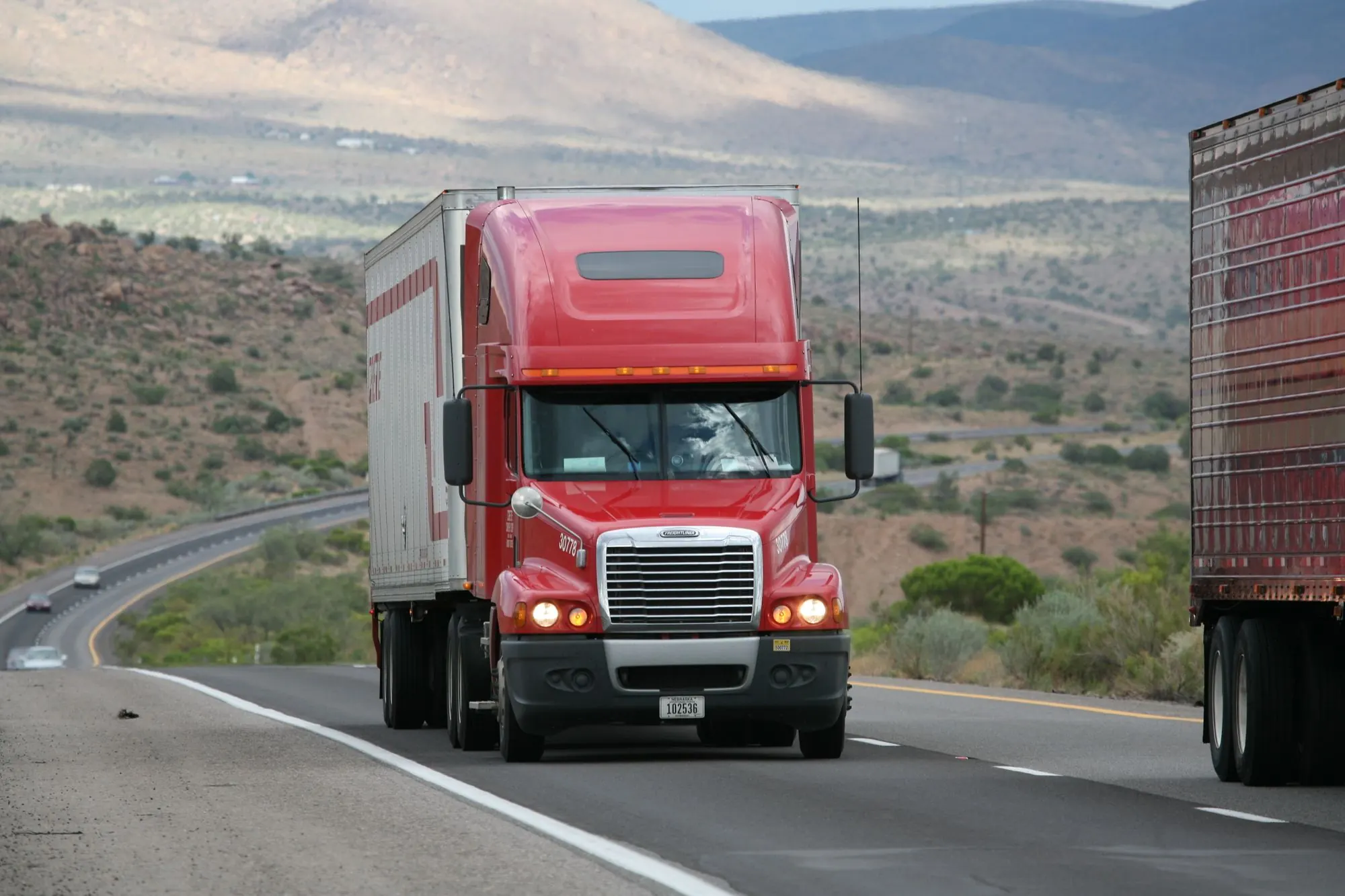
Owner-operators, new authorities, and fleets. We shop multiple carriers, explain every line before you sign, and handle the certificates, endorsements, and claims after you do.
An owner-operator with a new authority and a forty-truck fleet don't need the same program. We build to the operation.
What each policy does and who usually needs it. Your policy documents always control.
Injury and property damage your truck causes to others. For-hire interstate carriers generally need at least $750,000 under FMCSA rules; most brokers ask for $1,000,000.
RequiredThe freight in your care. Commodity restrictions and unattended-vehicle clauses are where claims get denied — we read them with you first.
Broker-requiredRepairs or replaces your own tractor and trailer after collision, fire, theft, or other covered loss. Stated value and deductible set the price.
Lender-requiredAlso called bobtail. Protects leased-on owner-operators when driving for personal use — the gap your motor carrier's policy doesn't fill.
Leased O/OBodily injury and property damage away from the truck — at a dock, your yard, or a customer's facility. Often required by shipper contracts.
ContractsWorkers' comp for employees, required by state law in most states; occupational accident for contracted drivers. Which fits depends on classification.
By stateLimits above your primary liability. Large verdicts against motor carriers have made excess layers a serious conversation for fleets of every size.
Higher limitsPhysical damage to non-owned trailers under an interchange agreement; spoilage from refrigeration failure, often excluded on a standard cargo form.
SpecialtySimplified summaries for general information. Coverage, limits, and exclusions vary by carrier and policy. Federal and state minimums cited are general references and may change.
Have your DOT number, driver list, VINs, and loss runs handy and this moves quickly. Missing some? Start anyway — our intake reads what you send.
DOT/MC number, units, drivers, commodities, radius. Send loss runs and schedules as they are — we extract the data.
Your safety record and carrier appetite data decide which trucking markets see the account. Submitted in parallel.
Limits, deductibles, exclusions, and price — with a licensed producer's recommendation.
The carrier binds and files; we confirm the filing posts and get certificates to your brokers.
It depends on radius, commodities, equipment values, driver experience, loss history, safety record, and garaging location — so any number quoted without those is a guess. The fastest route to a real figure is a ten-minute conversation.
Federal liability filings (such as the BMC-91/91X) are submitted electronically by the insurance company once a policy is bound. We coordinate with the carrier and confirm the filing posts. Some states have their own requirements — we flag those too.
Yes. Fewer carriers write new ventures and pricing reflects the lack of history, but there are markets for it. Driver experience matters a lot here, so have CDL history ready.
Send us the certificate holder's name and address and any special wording. Some wording requires a matching endorsement on the policy, which we confirm before issuing.
Make sure everyone is safe and call emergency services if needed. Report the claim to your insurance company's claims line — it's on your ID card and open 24/7 — then call us. We'll help you through the process. Prompt reporting is usually a policy condition.
 Get a quote