 IMD Insurance
Job shops & fabricators
- CNC, welding, machining, sheet metal
- Equipment values that outgrow the property limit
- Products exposure from components you don't see installed
- Workers' comp class codes that fit the work
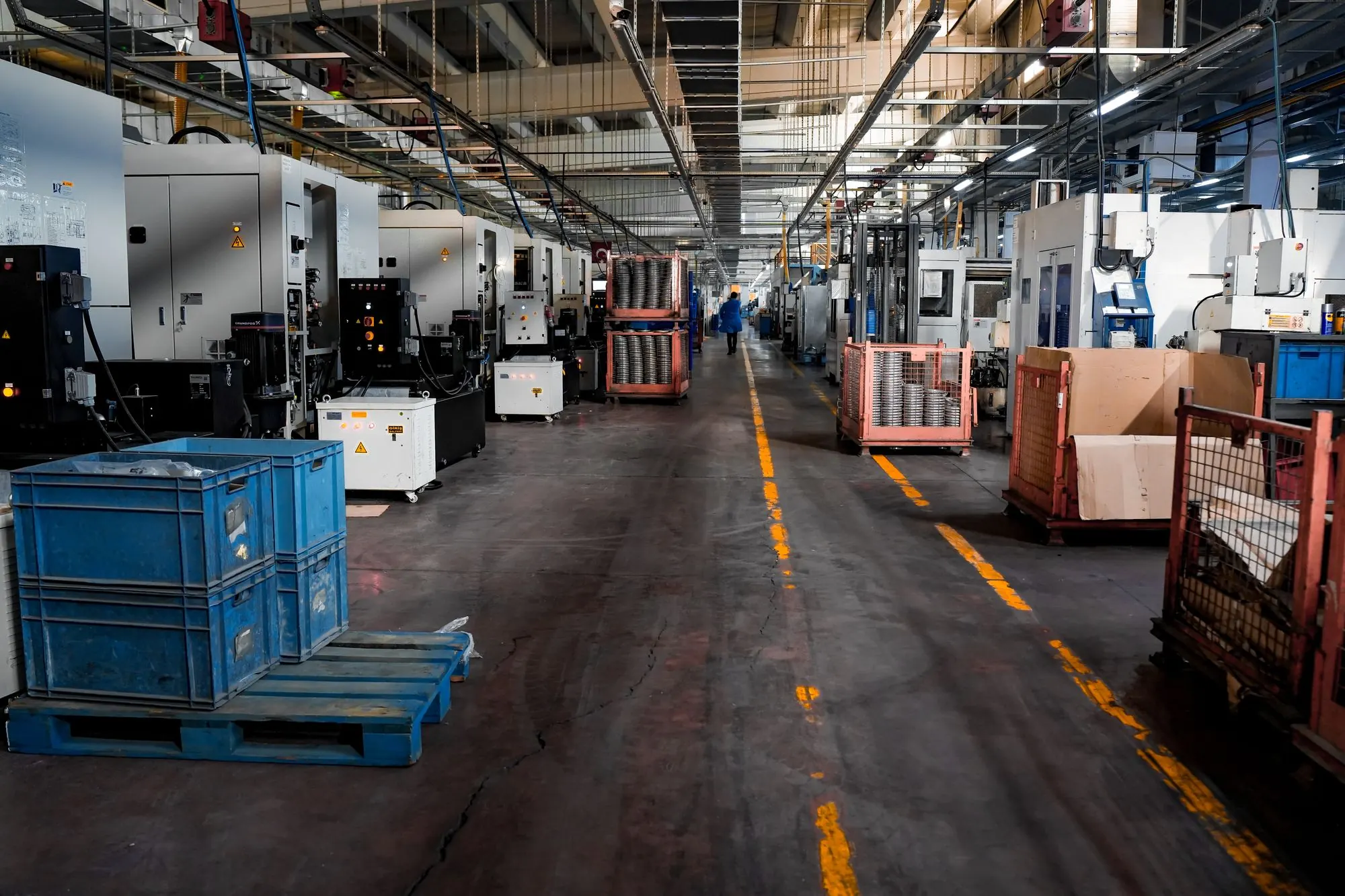
Property, products liability, recall, equipment breakdown, and business interruption — scoped to what actually stops your line, with workers' comp and cyber that match a modern plant.
Metal fabrication, food and beverage, plastics, electronics assembly, furniture, printing, packaging — the exposures rhyme: a building full of equipment, a product that leaves it, and people on the floor.
Plain-English summaries. Your policy documents always control.
Building, machinery and equipment, raw materials, work in process, and finished stock. Replacement cost, agreed values, and co-insurance are where manufacturers get hurt at claim time.
CoreLost income and continuing expenses while you rebuild — including the months it takes to replace long-lead equipment. The period of restoration is the decision.
CoreMechanical and electrical failure of production equipment, boilers, and electrical systems — excluded by standard property forms.
MachineryInjury or damage your product causes after it leaves your hands, plus premises exposure. Vendor and distributor requirements usually drive the limits.
Contract-requiredYour own costs to pull a defective product — notification, shipping, disposal, and often lost profit. GL covers the injury, not the recall.
SpecialtyRequired with employees. Class codes, safety programs, and experience modification are the levers; a captive is the next step when premium is large.
RequiredRansomware that stops a line is a business interruption most property policies don't cover. Add funds-transfer fraud and customer data.
OperationsDelivery vehicles, goods in transit, and excess limits above everything else.
ProgramSimplified summaries for general information. Coverage, limits, and exclusions vary by carrier and policy.
Products liability pays for injury or damage your product causes to others. Recall pays your own costs to pull a defective product from the market. Most GL policies include the first and exclude the second.
With a business income worksheet: revenue, continuing expenses, and payroll over the time it would really take to restore operations — including replacing long-lead equipment. Choosing the period of restoration and the extended period is the main decision, and we'll work it with you.
If a ransomware event would stop your line, yes — property policies generally won't respond. Any business with email and invoices also has funds-transfer fraud exposure.
Products and processes, revenue by product line, payroll by class, a statement of values for buildings and equipment, current policies, and 3–5 years of loss runs. Send what you have — our intake reads it.
 Get a quote